
Beyond Code: Unlocking the Power of Human-Centered AI Development in 2026
Artificial Intelligence in 2026 is no longer just about algorithms and code. The real transformation lies in human-centered AI development — building AI systems that enhance human capabilities instead of replacing them.
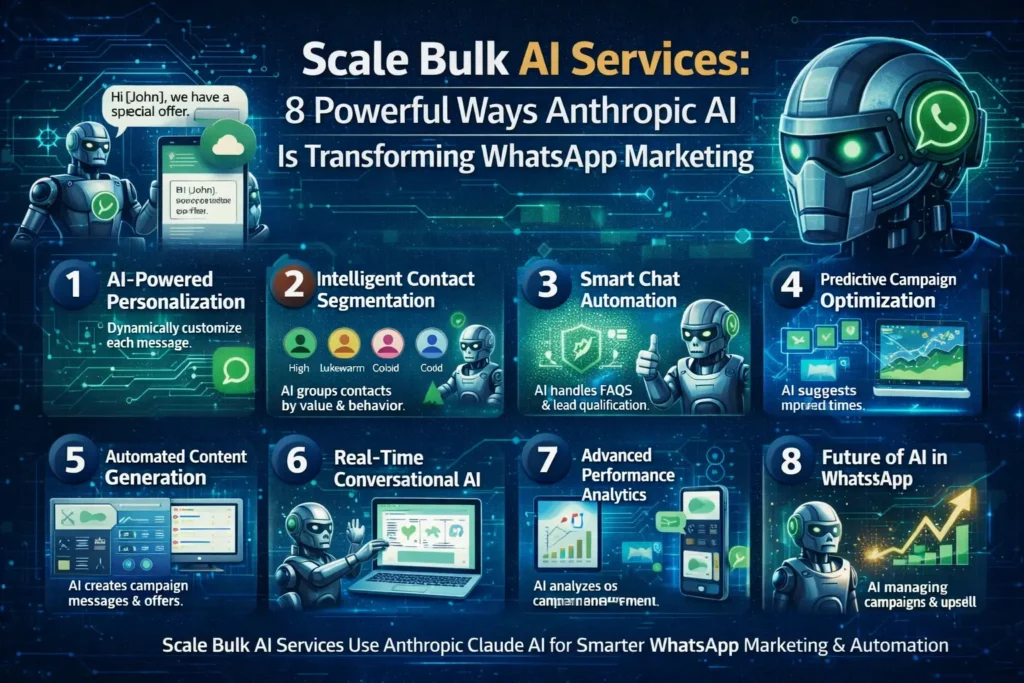
As AI becomes deeply integrated into business automation, customer engagement, CRM systems, and WhatsApp communication platforms, companies must focus on responsible, ethical, and user-first AI systems.
What is Human-Centered AI?
Human-centered AI focuses on designing artificial intelligence systems that:
- Prioritize user experience
- Enhance human decision-making
- Promote transparency
- Ensure fairness and inclusivity
- Maintain ethical compliance
Instead of automating blindly, human-centered AI aligns technology with human values.
Leading research institutions such as the Stanford Institute for Human-Centered Artificial Intelligence are advancing this approach globally.
Why Human-Centered AI Matters in 2026
AI systems are now embedded in:
- Marketing automation platforms
- Predictive analytics engines
- Customer support systems
- CRM integrations
- WhatsApp Business API solutions
If poorly designed, AI can misinterpret intent, create biased outputs, reduce customer trust, and damage brand reputation.
Human-centered AI ensures that automation works with humans, not against them.
AI + Human Collaboration in Business
The future is not AI replacing humans — it is AI collaborating with humans.
Examples include:
- AI qualifying leads before human sales follow-up
- AI suggesting campaign improvements while marketers approve final content
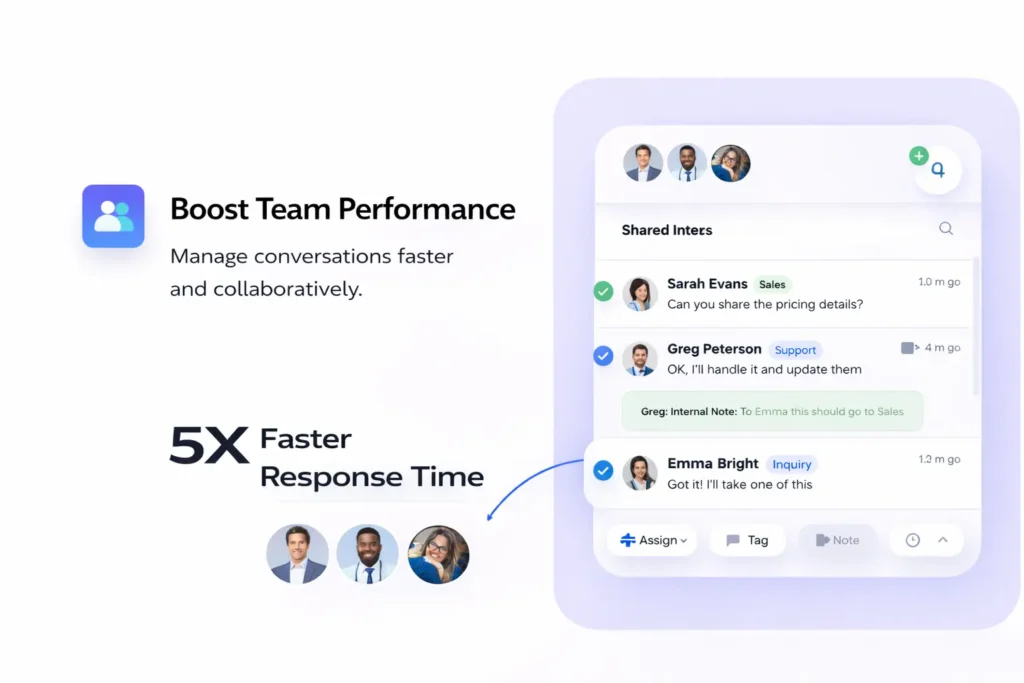
- AI-powered WhatsApp automation assisting support teams
Explore how automation integrates with communication systems here:
Explainability & Transparency in AI
In 2026, businesses demand AI systems that are explainable.
Explainable AI allows:
- Clear reasoning behind automated decisions
- Transparent scoring systems
- Regulatory compliance
- Greater user trust
Technology leaders such as IBM AI and Microsoft AI are investing heavily in responsible AI frameworks.
Ethical AI & Global Regulations
With AI regulations expanding globally, ethical AI development is no longer optional.
New frameworks such as the European AI Act are shaping global standards for responsible AI deployment.
Businesses must now ensure:
- Consent-based automation
- Bias monitoring systems
- Transparent data usage
- Secure infrastructure
Human-Centered AI in WhatsApp & Automation Systems
For businesses using WhatsApp Business API, human-centered AI means:
- Personalized communication without spam
- Ethical bulk messaging
- Intelligent lead qualification
- CRM-connected automation workflows
Learn more about compliant WhatsApp infrastructure:
How to Build Human-Centered AI Systems
To stay competitive between 2026 and 2030, businesses should:
- Integrate AI with human oversight
- Prioritize transparency in automation
- Invest in responsible AI governance
- Train teams on AI-assisted workflows
- Continuously optimize based on real user feedback
Final Thoughts
Beyond code and algorithms, the real power of AI in 2026 lies in its ability to enhance human potential.
Human-Centered AI Development in 2026 is not just a trend — it is the foundation of sustainable, ethical, and scalable digital transformation.
Businesses that adopt responsible AI systems will build stronger customer relationships, improve automation efficiency, and gain long-term competitive advantage.
The future of AI is human-aware, transparent, and performance-driven.